Mobile app backend development
The server your app talks to, built for phones on bad networks.
Acasa Labs does mobile app backend development: the API, database, auth, push notifications, subscriptions, and background jobs behind iOS and Android apps. NoteTube's apps call a FastAPI service that holds every AI key, and GymFast's three apps share one token-authenticated API on Supabase. We build the app and the backend as one.
The problem
A mobile backend has problems a web backend never sees.
Phones drop connections mid-request. Old app versions stay installed for months and keep calling yesterday's API. Anything shipped inside the app, including an API key, can be pulled out of it. Subscriptions are bought in an app store but have to switch on features that your server controls. A backend designed only for a website trips over all of these in the week the app launches.
What we build
- 01
APIs that old app versions can still call
Versioned endpoints and careful changes, so users who have not updated keep working while new versions get new features.
- 02
Secrets that never ship in the app
AI keys, payment keys, and third-party credentials stay on the server. The app gets tokens scoped to the signed-in user.
- 03
Sync and offline support
Data saved on the device and reconciled with the server when the connection returns, with clear rules for what wins in a conflict.
- 04
Push, jobs, and entitlements
Push notifications, scheduled reminders, and subscription status from the stores, kept in one place your app can ask.
From production
From mobile backends we run.
AI keys stay on the server
NoteTubeNoteTube's web and mobile clients never see an AI key. Model calls go through a separate FastAPI service, with streaming chat over server-sent events and inactivity timeouts so dead connections do not hold resources.
One API, three apps
GymFastGymFast's staff, member, and trainer apps share one token-authenticated mobile API with the web dashboard, and a six-level role hierarchy is enforced by Postgres row-level security.
Reminders without a server to watch
GymFastGymFast's renewal, payment, class, and session reminders run as scheduled Supabase Edge Functions, and an in-progress workout is saved on the device so a dropped connection does not lose it.
One subscription across stores and web
NoteTubeNoteTube reconciles RevenueCat subscriptions from the apps with Stripe on the web in a scheduled job, so a student who paid on one platform has access on the other.
Honest trade-offs
Supabase, Firebase, or a custom backend?
A managed platform like Supabase gives a mobile app auth, a database with row-level security, storage, realtime, and scheduled functions without running servers. That is why GymFast uses it. Add a custom service, as NoteTube does with FastAPI, when you need to keep keys for paid APIs private, run long AI or media jobs, or reach systems a managed platform cannot. Many apps need both.
What we reach for
- FastAPI, Node
- Supabase Postgres, row-level security
- Supabase Edge Functions, Realtime
- Firebase
- RevenueCat webhooks
- Push notifications
- Redis, Cloud Run
Proof
Shipped, not pitched.
01Our product
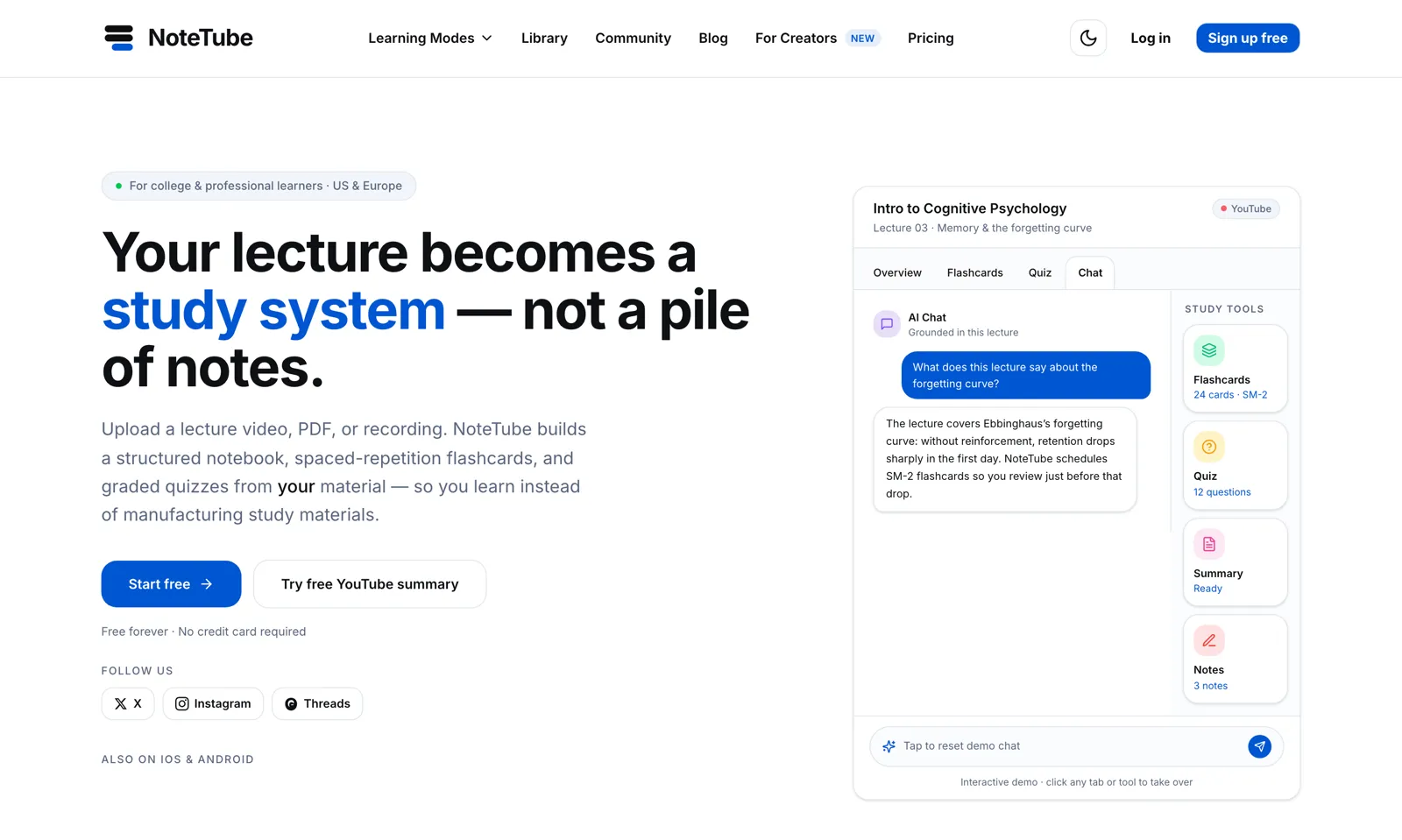
NoteTube
A lecture becomes a study system: chat, flashcards, quizzes, all grounded in the source.
An AI learning platform that turns PDFs, YouTube lectures, recordings, and notes into a structured notebook with grounded chat, spaced-repetition flashcards, and graded quizzes.
Web · iOS · Android · Chrome extension · MCP server
02Our product
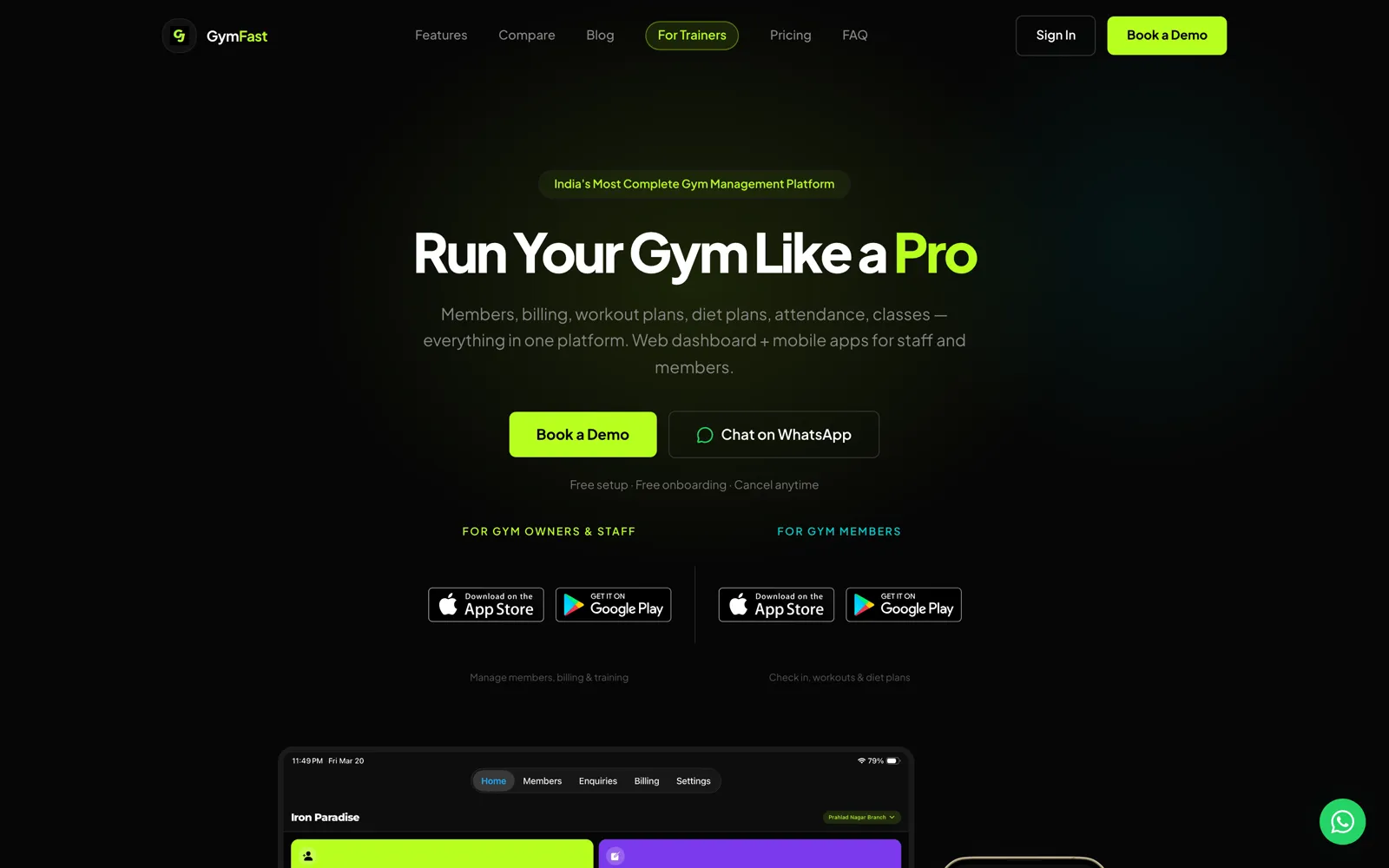
GymFast
Members, billing, classes, and workout plans for a gym, in one platform and three apps.
Gym management software for gym owners and personal trainers. A web dashboard and a staff app run members, plans, invoices, enquiries, and classes; members get their own branded app; GymFast Pro gives independent trainers the same tools for their clients.
Web dashboard · iOS · Android · Staff, member, and trainer apps
03Our product
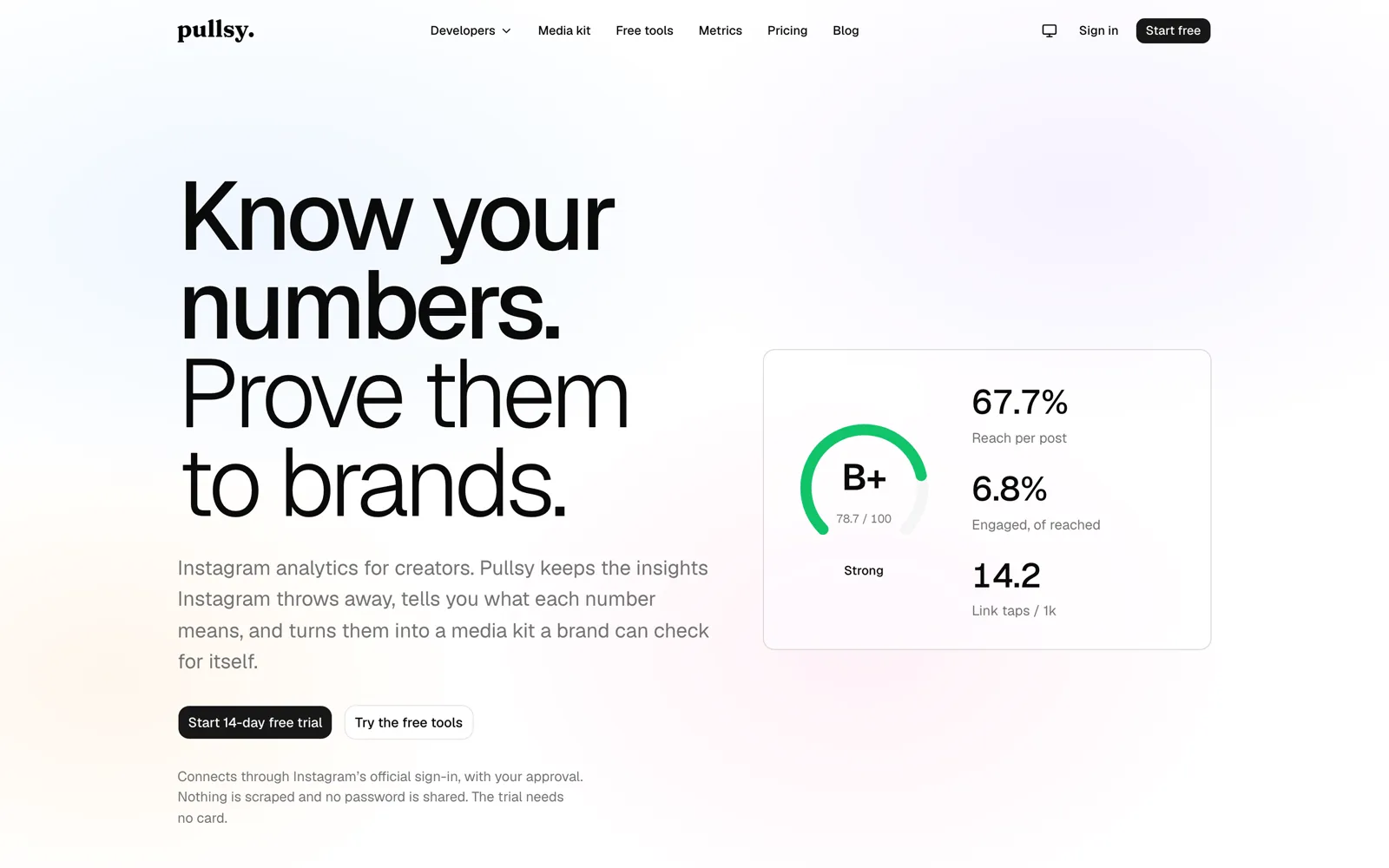
Pullsy
Instagram analytics that keep the numbers Instagram throws away.
Analytics for creators. Pullsy keeps insights Instagram discards after about 90 days, explains what each number means, grades the account, and turns it into a media kit a brand can verify.
Web · iOS (native SwiftUI) · REST API
Questions
Mobile app backend development questions we get asked.
Can our mobile app use the same backend as our website?
Yes, and it should. One API and one database behind both means a change is made once and the data agrees everywhere. GymFast's apps and web dashboard work this way.
How do you keep API keys out of the app?
Anything inside an app package can be extracted, so keys for paid services stay on the server. The app signs in, gets a token for that user, and the server makes the call on its behalf.
Do you build backends for apps someone else made?
Yes. If your app exists and needs a new or better backend, we design the API around the screens it already has, then move features over one at a time.
How do App Store subscriptions reach our server?
Through RevenueCat or the stores' server notifications. Purchase events update the user's entitlements on the server, and the app asks the server what the user can access.
Can the backend send push notifications?
Yes. Notifications are triggered by events or schedules on the server, such as a renewal reminder or a changed number, and sent through Apple's and Google's push services. Pullsy's iOS app notifies users when something changes.
Mobile app backend development
Building the app, or fixing what it talks to?
Tell us what the app does and where its data lives today. We will sketch the backend and what to build first.