Our software development process
Sit with the operation, ship the product, wire the automation, stay on it.
Every Acasa Labs project follows the same four steps: we sit with the operation to see how the work happens, ship a working product, wire the automation into it, and stay on to scale it. You get a written plan before you commit, a demo every week, and the code, repositories, and cloud accounts in your name from the first day.
The problem
Most software projects fail in the gap between the brief and the build.
A brief is written, a team disappears for three months, and what comes back is what the team understood, not what the business needed. Nobody watched how the work actually happens, so the software automates the wrong step. By launch the budget is gone and the second version starts with a rewrite. A process that keeps you close to the build every week is what prevents that.
What we build
- 01
1. Sit with the operation
A first call, then time with the people who do the work: the inbox, the spreadsheet, the handoffs. You get a written plan with scope, timeline, and a number before you commit.
- 02
2. Ship the product
A working web or mobile app in weeks, not a prototype. A demo every week and a build you can click through, so feedback lands while it is still cheap to act on. A typical MVP takes 3 to 5 weeks.
- 03
3. Wire the automation
Agents, reminders, document reading, and integrations, built into the product and the tools you already run, with a person in the loop where it matters.
- 04
4. Stay on it
After launch we keep it fast, reliable, and found: monitoring, fixes, the next features, and growth work. Maintenance starts at $100 to $300 a month.
From production
What the process looks like in work we shipped.
Built around the front desk
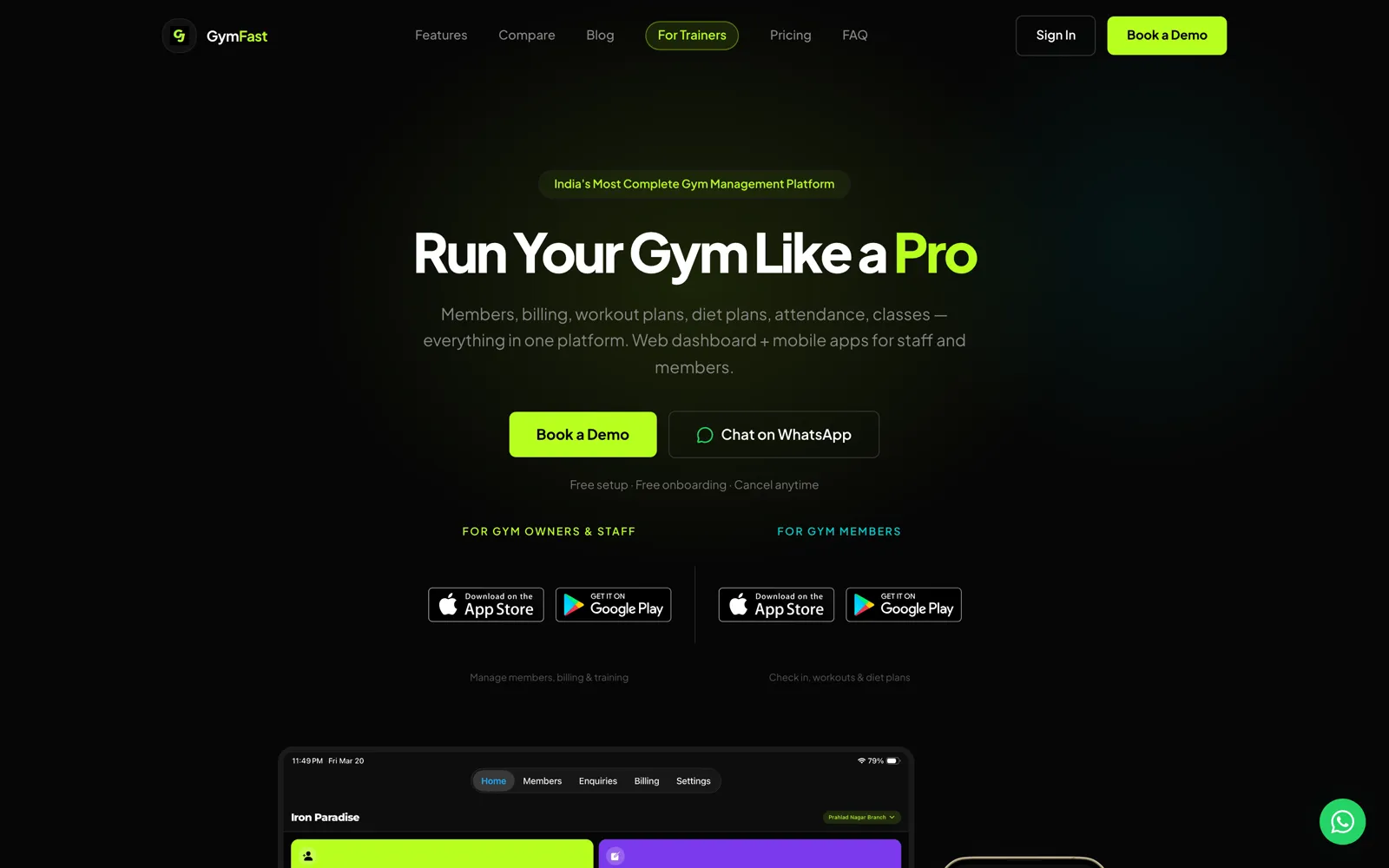
GymFastGymFast has a staff app as well as a web dashboard, so the front desk can run members, enquiries, check-ins, and classes from a phone. Reminders run on a schedule so staff stop chasing renewals by hand.
Built around how estimators check numbers
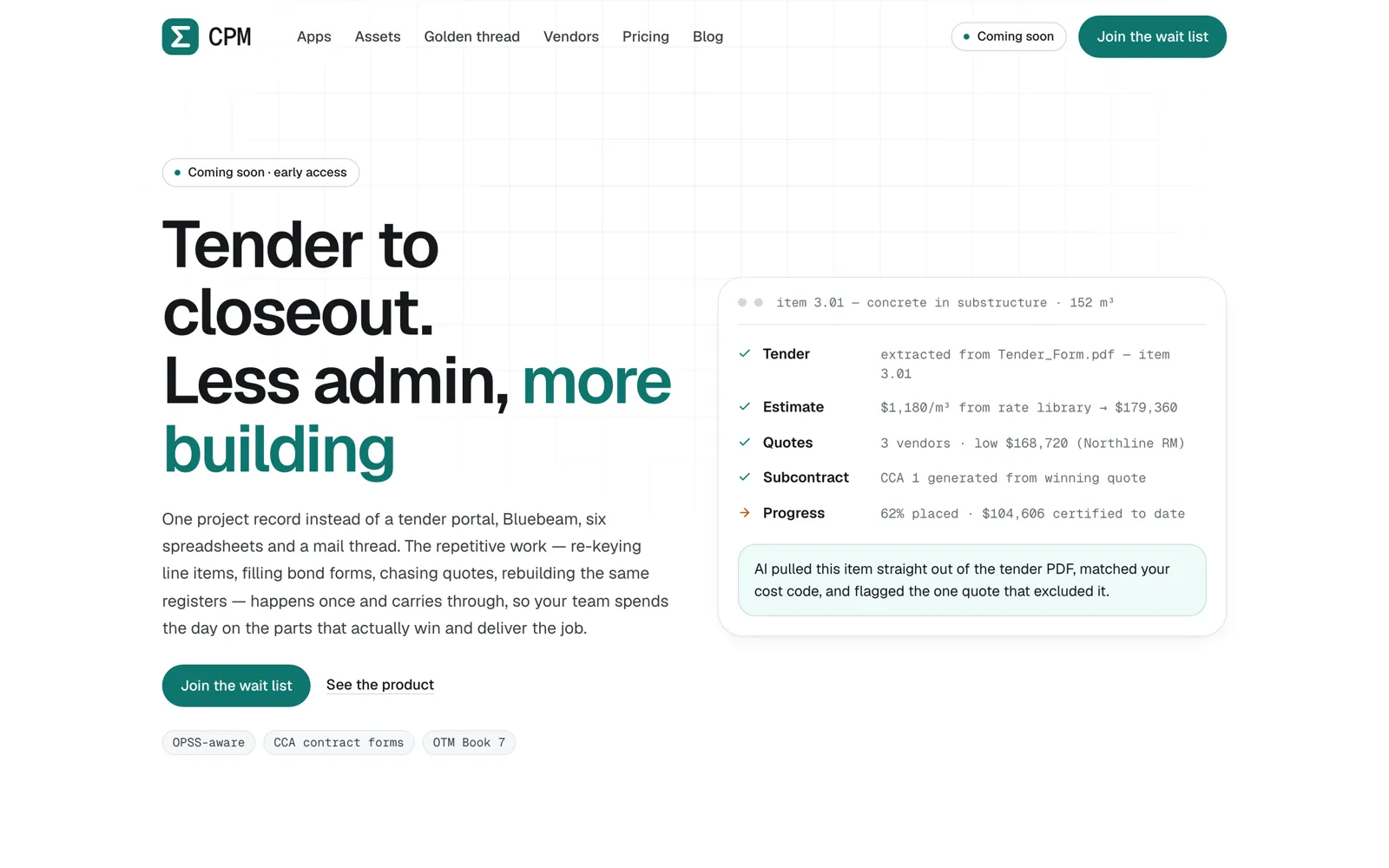
SigmaCPMSigmaCPM requires every extracted value to come with a quote found on the cited page, because a guessed number in a bid is worse than no AI at all. Disagreements wait for a person.
Built around how buyers decide
Siona JewelsSiona Jewels' design pages lead with metal, stones, weight, MOQ, and lead time, because those are the questions buyers ask before they talk to anyone.
Staying on after launch
The Sharp InteriorsWe are The Sharp Interiors' ongoing IT partner: hosting, domain, analytics, and the changes that come up month to month.
Honest trade-offs
When this process is too much
For a five-page website or a single small fix, a call and a written quote are enough; we skip the discovery work. The full process is for products people will use every day, where getting the workflow right matters more than shipping the first screen fast.
What we reach for
- A written plan before you commit
- Weekly demos
- GitHub in your organization
- Your cloud and store accounts
- Sentry, PostHog
- Written handover docs
Proof
Shipped, not pitched.
01Our product
GymFast
Members, billing, classes, and workout plans for a gym, in one platform and three apps.
Gym management software for gym owners and personal trainers. A web dashboard and a staff app run members, plans, invoices, enquiries, and classes; members get their own branded app; GymFast Pro gives independent trainers the same tools for their clients.
Web dashboard · iOS · Android · Staff, member, and trainer apps
02Our product
SigmaCPM
Construction project management where AI reads the tender and shows its work.
One project record for civil contractors, from tender to closeout: bids, contracts, RFIs, vendor quotes, and drawings. The AI pulls line items and bond terms out of tender PDFs and cites the page for every value.
Web · API · Chrome extension
03Client work
Siona Jewels
A jewellery manufacturer's catalogue that buyers find on Google and in ChatGPT, and that turns a design number into a lead.
Siona Jewels is a fine jewellery manufacturer in Mumbai selling to retailers and private-label brands in India, the US, Canada, and the UAE. We built their B2B catalogue site, the CMS behind it, the email automation that routes every enquiry to sales, and the search and AI-answer setup that gets them found.
Web · CMS admin

Questions
Process questions we get asked.
What happens on the first call?
Thirty minutes on how the work happens today, who does it, and what would change if it were software. You leave with a written plan: scope, timeline, and a number.
How often will we see progress?
Every week: a demo of what was built and a build you can try yourself, plus a short written update. You never wait months to see what is coming.
How long does a project take?
A website or catalogue site usually takes 1 to 2 weeks, and an MVP web or mobile app 3 to 5 weeks. Larger products are planned in stages, each with its own demo and finish line.
Can we start small?
Yes. Fixed-scope projects start at $1,500, and if you hire a developer, the first week is risk-free: continue and it is billed at the normal rate, stop within the week and you pay nothing.
Who owns the code?
You do, from the first day. Repositories, cloud accounts, app store accounts, and credentials are in your organization, and we document how to run everything.
Can we meet in person?
Yes, in Surat, and we visit clients in Ahmedabad and Mumbai for kickoffs. Everyone else works with us remotely with at least 4 hours of overlap a day.
Our software development process
Start with the first step.
Thirty minutes on how the work happens today. You leave with a written plan: scope, timeline, and a number.