Mobile app development
iOS and Android apps, shipped to the stores and kept there.
Native-feeling apps for iOS and Android from one codebase, or fully native when the product needs it. Offline support, push notifications, in-app purchases, and store releases handled end to end.
What we build
- 01
Cross-platform apps
React Native and Expo for one codebase on both stores, with native modules where performance or hardware access demands it.
- 02
Subscriptions and payments
In-app purchases, paywalls, trials, and entitlement sync with your backend.
- 03
Offline and sync
Apps that keep working on a bad network and reconcile cleanly when they reconnect.
- 04
Store releases
Signing, review, over-the-air updates, crash reporting, and the release notes nobody wants to write.
What we reach for
- React Native, Expo
- Swift, SwiftUI
- RevenueCat, StoreKit
- Push notifications
- Sentry, PostHog
From production
How we build mobile apps, from the ones we run.
Three apps on one backend
GymFastGymFast runs staff, member, and trainer apps on a token-authenticated mobile API shared with its web dashboard, with each gym's brand colors theming the apps from one setting.
Native where it matters
PullsyPullsy's iOS app is native SwiftUI on iOS 17 and up, with push notifications when an account's numbers change, on the same backend as the web app.
Billing that reconciles
NoteTubeNoteTube bills with Stripe on the web and RevenueCat in the apps, and a scheduled job reconciles subscriptions between them, so a student who paid on one is not locked out on the other.
Built for bad signal
GymFastGymFast saves an in-progress workout on the device, so a dropped connection mid-session does not lose it.
Honest trade-offs
When you do not need an app
If your customers use the product once a month, at a desk, a fast web app is cheaper to build and easier to reach than a store listing. Build an app when people use it on the move, every day, or when you need the camera, notifications, offline use, or a home-screen icon to keep them coming back.
Proof
Shipped, not pitched.
01Our product
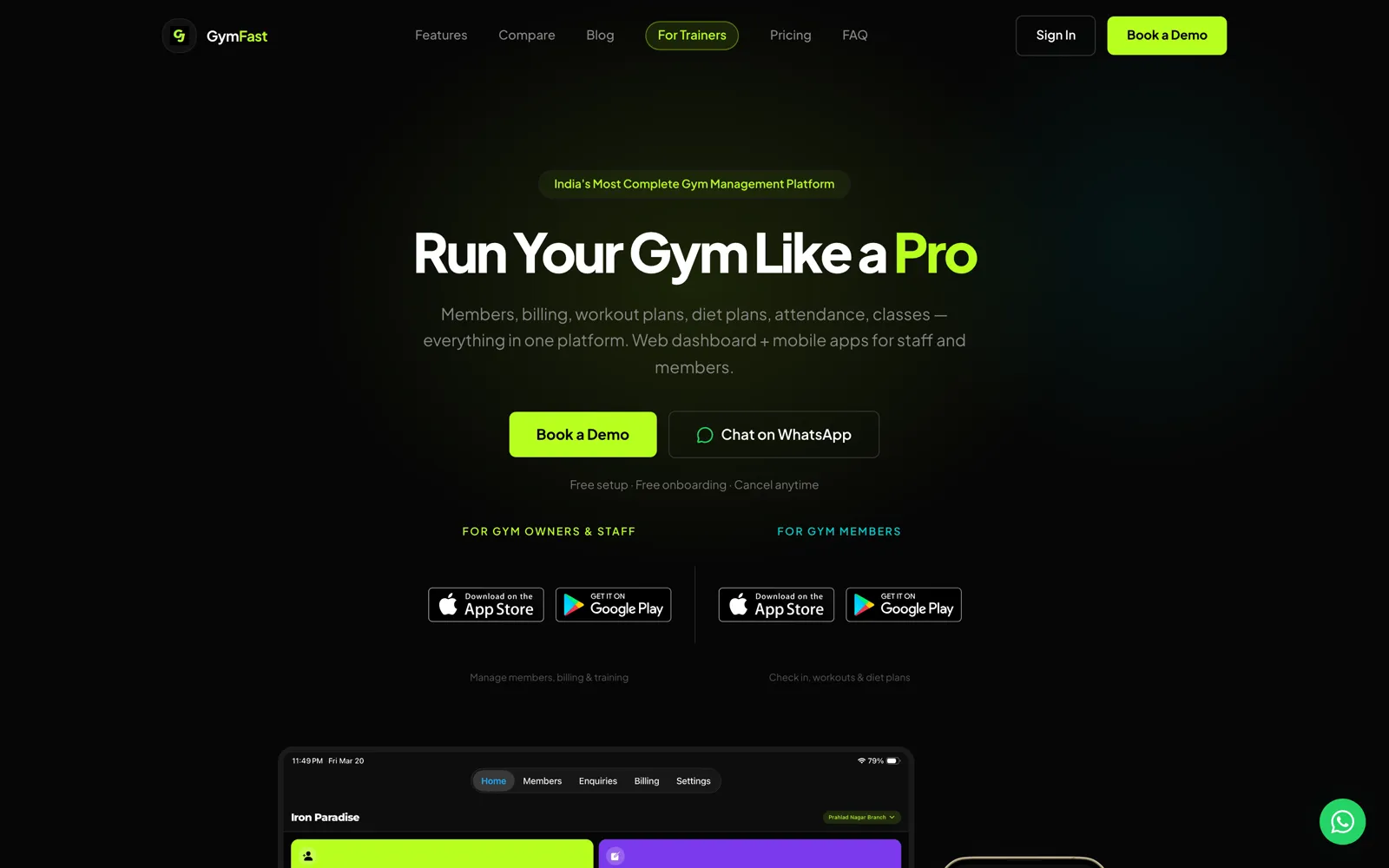
GymFast
Members, billing, classes, and workout plans for a gym, in one platform and three apps.
Gym management software for gym owners and personal trainers. A web dashboard and a staff app run members, plans, invoices, enquiries, and classes; members get their own branded app; GymFast Pro gives independent trainers the same tools for their clients.
Web dashboard · iOS · Android · Staff, member, and trainer apps
02Our product
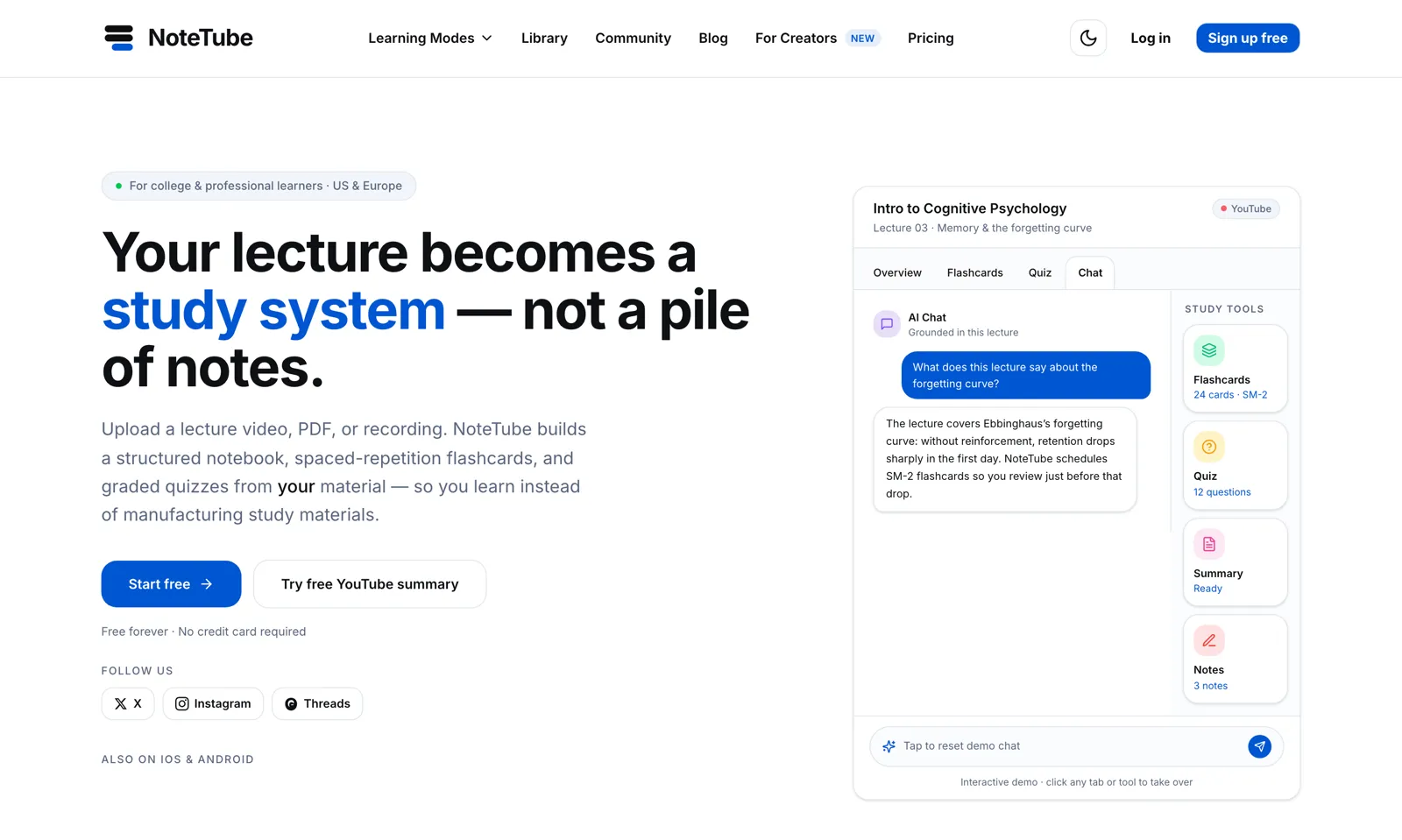
NoteTube
A lecture becomes a study system: chat, flashcards, quizzes, all grounded in the source.
An AI learning platform that turns PDFs, YouTube lectures, recordings, and notes into a structured notebook with grounded chat, spaced-repetition flashcards, and graded quizzes.
Web · iOS · Android · Chrome extension · MCP server
03Our product
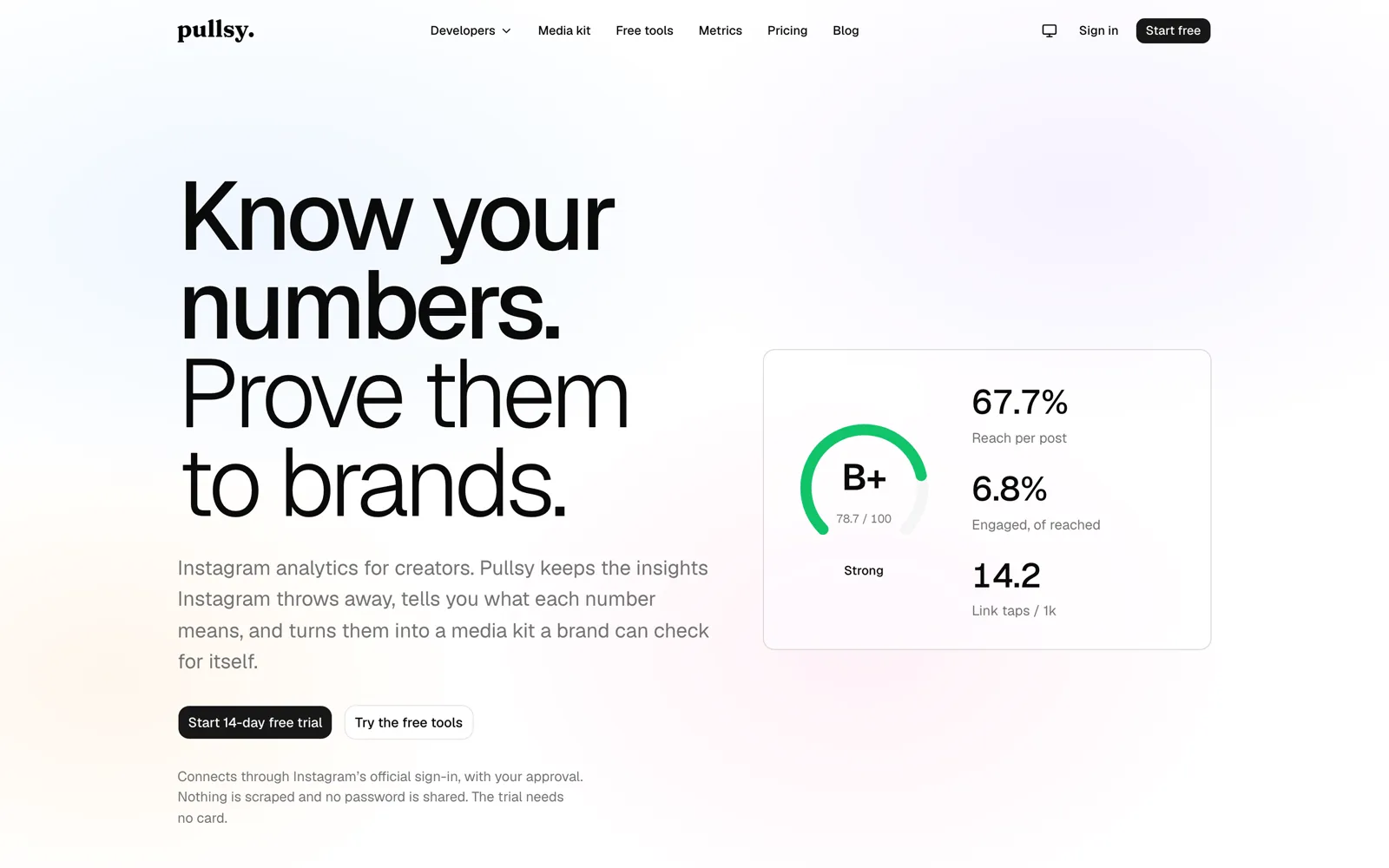
Pullsy
Instagram analytics that keep the numbers Instagram throws away.
Analytics for creators. Pullsy keeps insights Instagram discards after about 90 days, explains what each number means, grades the account, and turns it into a media kit a brand can verify.
Web · iOS (native SwiftUI) · REST API
04Our product
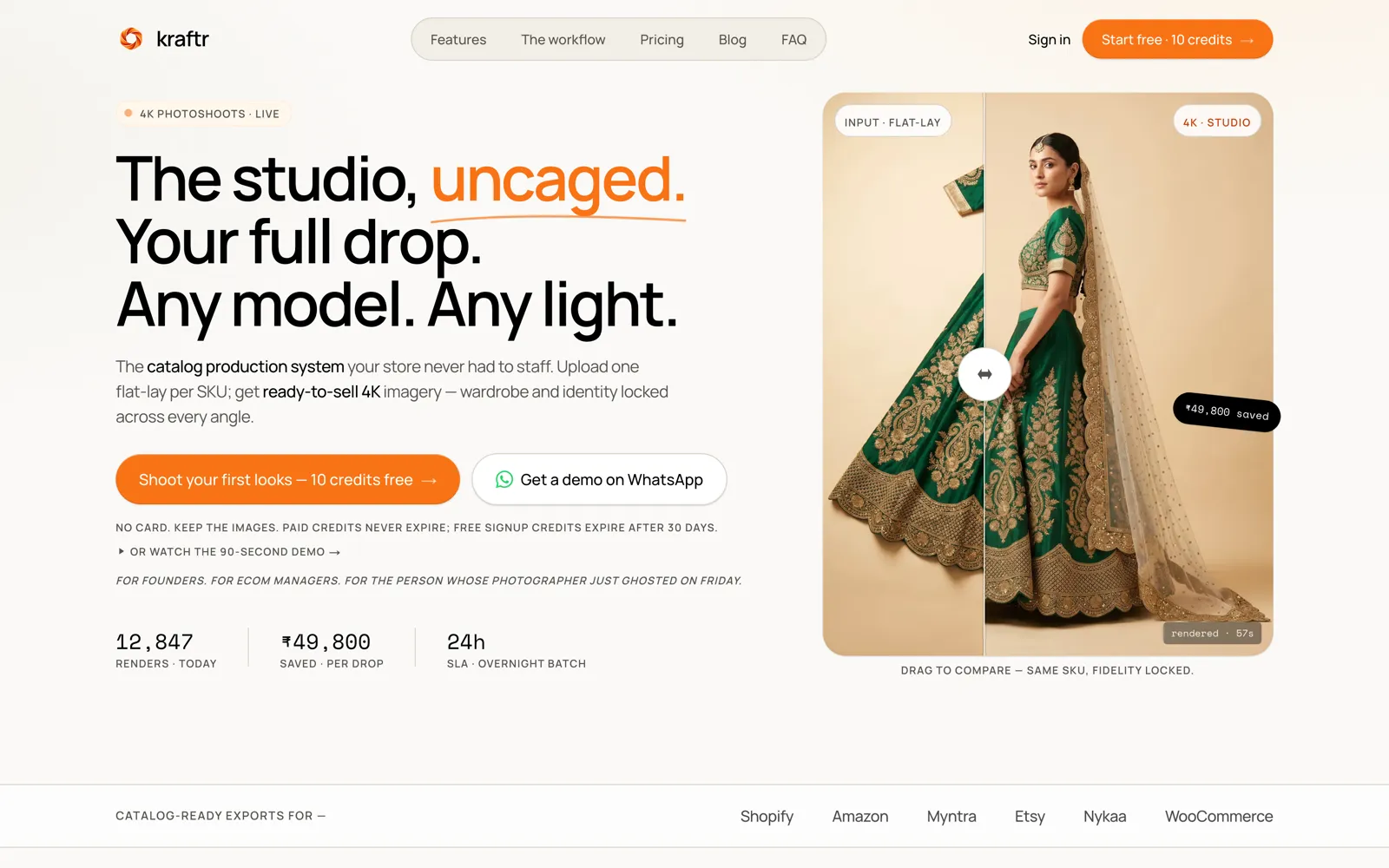
Kraftr
One flat-lay photo becomes catalog-ready 4K on-model imagery.
An AI catalog studio for fashion and jewelry brands. Upload one flat-lay or hanger shot per SKU and get on-model imagery at up to 4K, in ten aspect ratios, sized for Amazon, Myntra, Flipkart, and Shopify.
Web · iOS · Android
How we work
Build, then keep building.
- 01
Sit with the operation
We watch how the work actually happens. Inboxes, tools, handoffs. No workshop theater.
- 02
Ship the product
A working web or mobile app. Something your people can open on Monday, not a prototype graveyard.
- 03
Wire the automation
Agents and workflows on the product and the systems you already have.
- 04
Stay on it
We do not vanish after launch. The operation changes. The software should too.
Questions
Mobile questions we get asked.
Native or cross-platform?
Cross-platform (React Native and Expo) for most products: one team, both stores. Native Swift when the app depends on deep platform features or heavy on-device processing.
Do you handle App Store and Play Store submission?
Yes, including review rejections, which happen to everyone.
Can the app share a backend with our web app?
That is how we usually build it: one API, one database, web and mobile clients on top.
Mobile app development
Tell us what you need built.
Thirty minutes on how the work happens today. You leave with a written plan: scope, timeline, and a number.