LLM cost optimization
Lower the AI bill without making the answers worse.
LLM cost optimization is reducing what you pay for language model calls without lowering answer quality: tracking cost per call, sending the model less text, routing simple work to cheaper models, and batching work that can wait. Acasa Labs builds AI products that run every day. SigmaCPM records token use and cost on every LLM call, and Kraftr's batch path runs at half the credit cost.
The problem
The AI feature works. The invoice is the problem.
AI features are cheap in a demo and expensive at scale. Every request sends the whole document, every task uses the biggest model, and nobody knows which feature or customer drives the bill because cost is not recorded per call. The usual reaction is to switch providers and hope. The real savings are usually in what you send and when you send it.
What we build
- 01
Cost on every call
Tokens and cost recorded per call, per feature, and per customer, so you can see what each part of the product costs to run.
- 02
Send the model less
Retrieval that finds the relevant passages first, so the model reads pages instead of whole files.
- 03
The right model for the job
Cheaper models for simple work and stronger ones where quality depends on it, behind one interface so the choice can change.
- 04
Batch what can wait
Work that does not need an instant answer queued on a cheaper batch path, with usage limits tied to each plan.
From production
From AI products we run.
Every call has a price
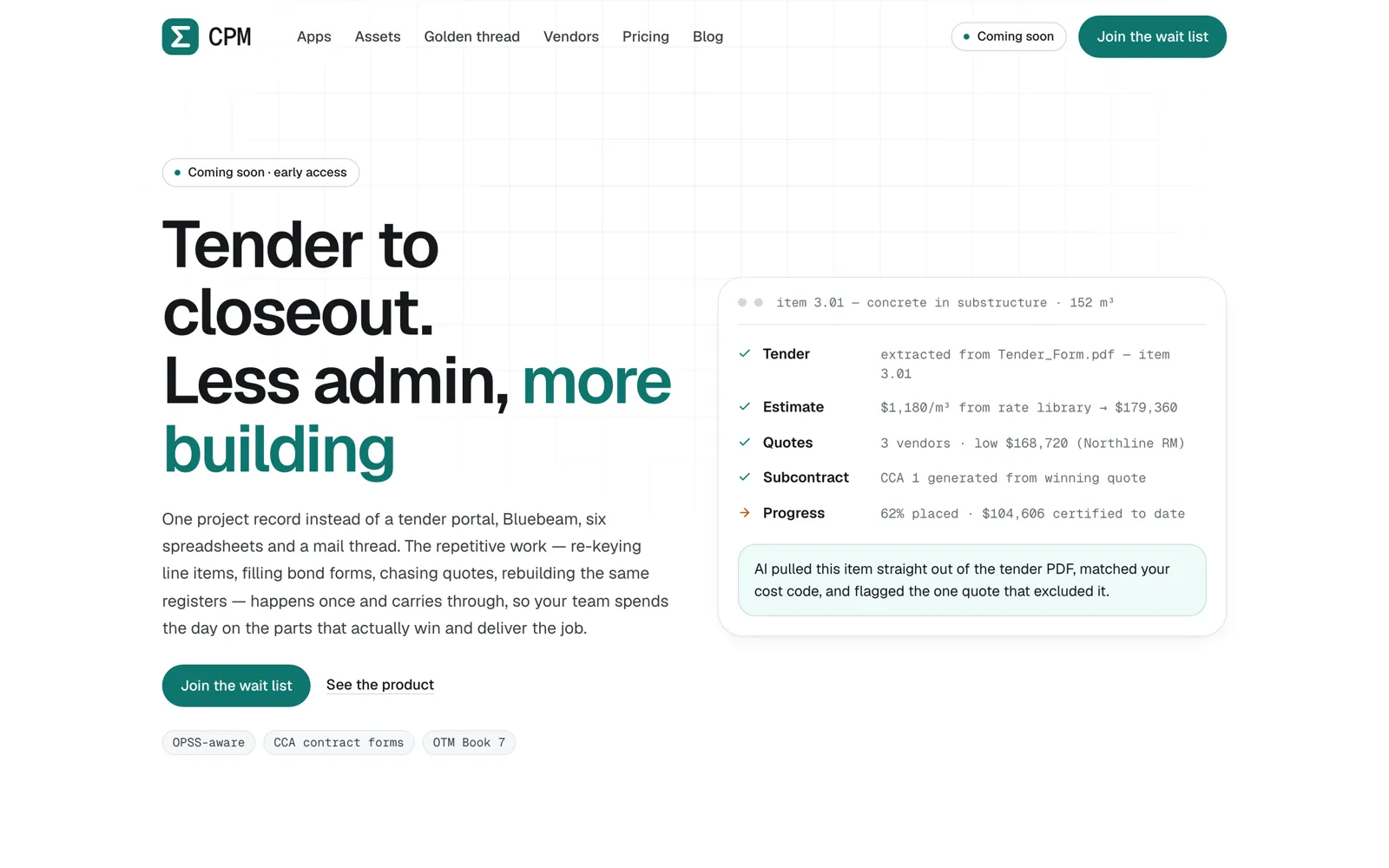
SigmaCPMSigmaCPM records token use and cost on every LLM call, so the cost of reading a tender is known, not guessed.
Read the right pages only
SigmaCPMBefore extraction, SigmaCPM retrieves the candidate pages of a tender package, so the model reads those pages instead of the whole package.
A batch path at half the cost
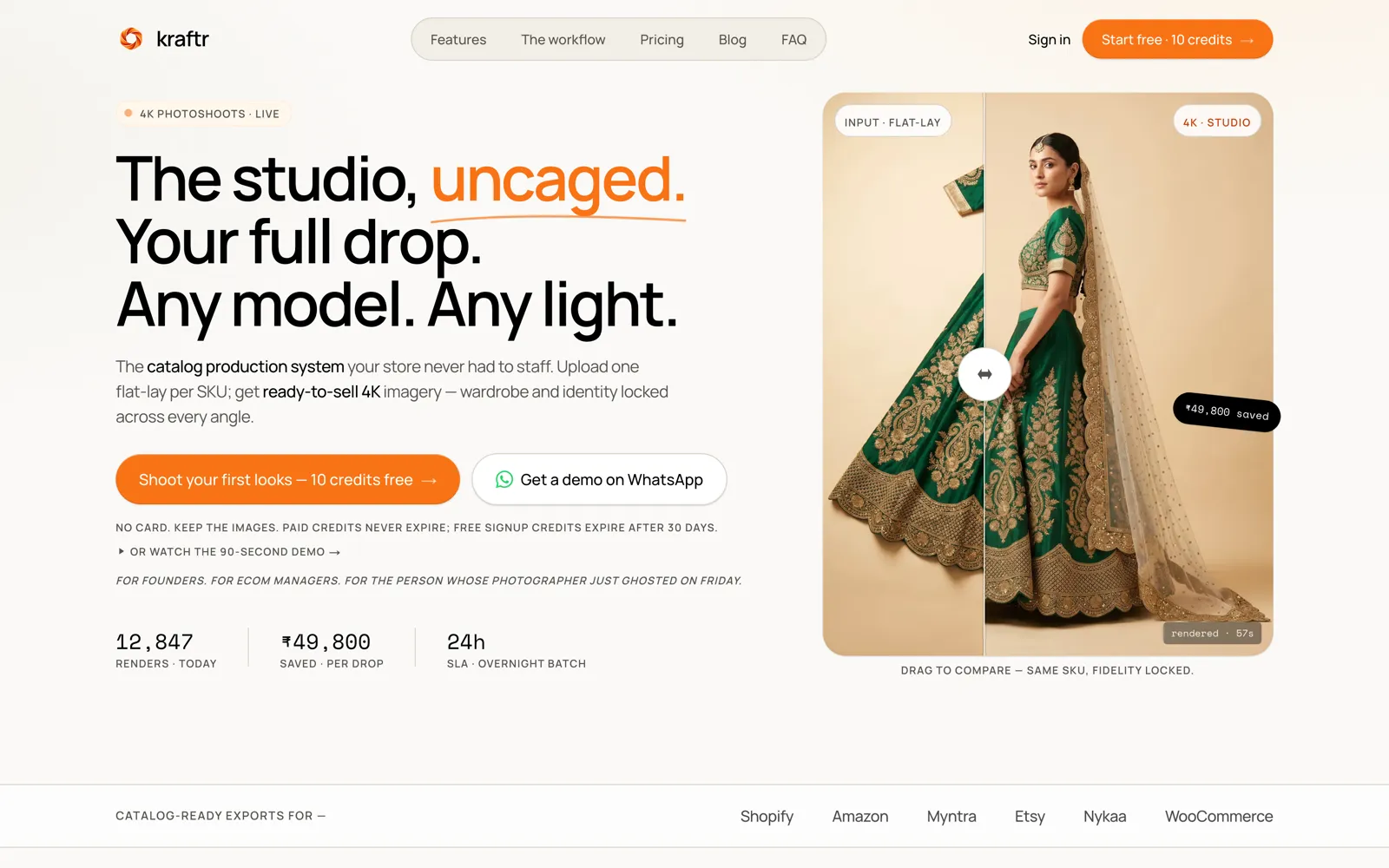
KraftrKraftr lets brands queue a whole drop on a batch path that runs at half the credit cost and lands within a day, next to an instant path for one look.
Models behind one service
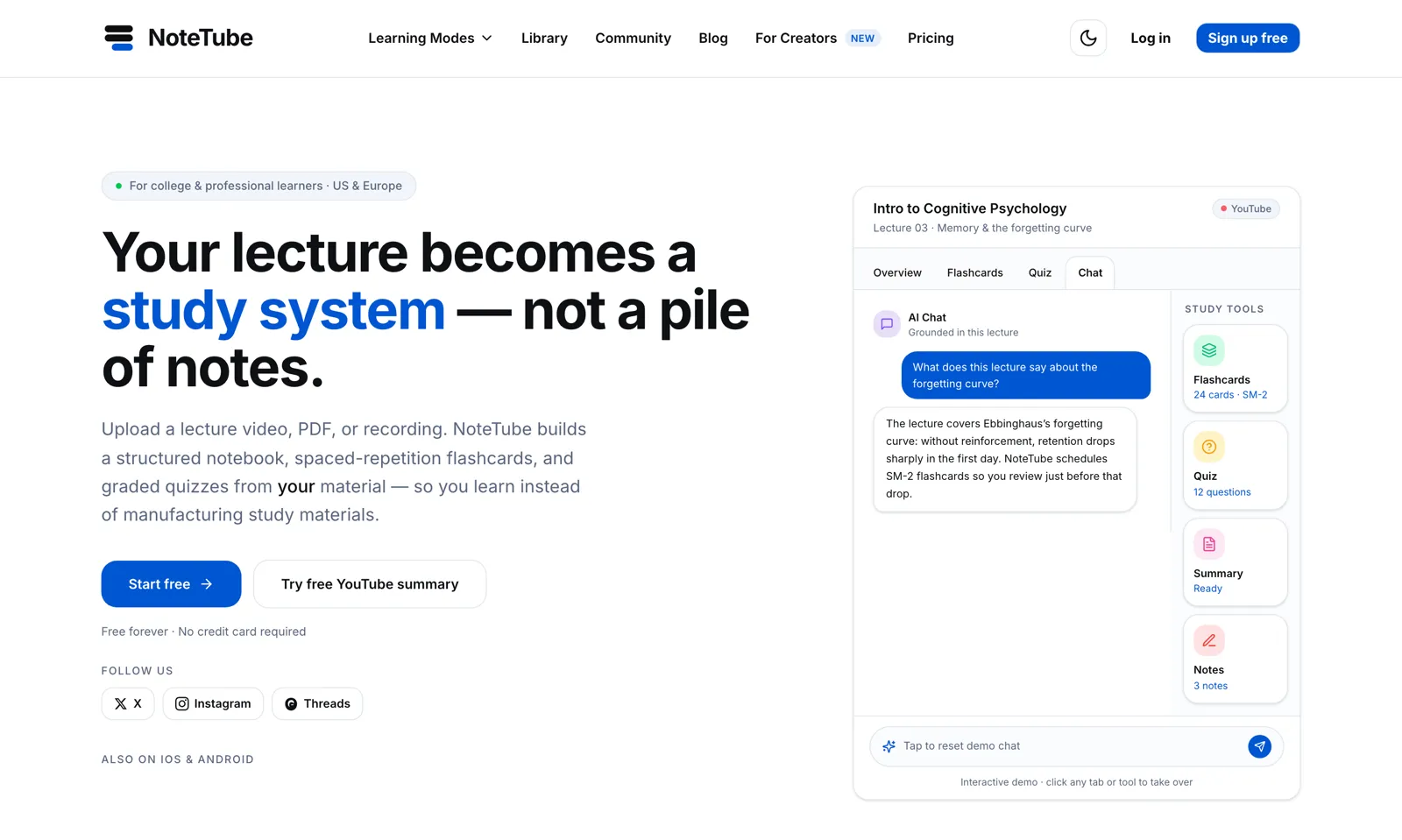
NoteTubeNoteTube keeps every model call in one FastAPI service and lets each conversation use OpenAI, Gemini, Claude, Llama, or Mistral, so switching models is a backend change, not an app release.
Honest trade-offs
When to stop optimizing the AI bill
If model costs are a small share of what each customer pays, spend the time on the product instead. And never cut cost at the expense of the answer: a cheaper model that gets a number wrong in a bid or a contract costs far more than it saves. We measure quality on an evaluation set before and after every change.
What we reach for
- OpenAI, Anthropic, Gemini, open-weight models
- Cost and token logging per call
- Hybrid retrieval, reranking
- Batch and queue paths
- Evaluation sets
- FastAPI model gateway
Proof
Shipped, not pitched.
01Our product
SigmaCPM
Construction project management where AI reads the tender and shows its work.
One project record for civil contractors, from tender to closeout: bids, contracts, RFIs, vendor quotes, and drawings. The AI pulls line items and bond terms out of tender PDFs and cites the page for every value.
Web · API · Chrome extension
02Our product
Kraftr
One flat-lay photo becomes catalog-ready 4K on-model imagery.
An AI catalog studio for fashion and jewelry brands. Upload one flat-lay or hanger shot per SKU and get on-model imagery at up to 4K, in ten aspect ratios, sized for Amazon, Myntra, Flipkart, and Shopify.
Web · iOS · Android
03Our product
NoteTube
A lecture becomes a study system: chat, flashcards, quizzes, all grounded in the source.
An AI learning platform that turns PDFs, YouTube lectures, recordings, and notes into a structured notebook with grounded chat, spaced-repetition flashcards, and graded quizzes.
Web · iOS · Android · Chrome extension · MCP server
Questions
LLM cost optimization questions we get asked.
Will a cheaper model give worse answers?
Sometimes, which is why we test. We run the same evaluation set of your real questions before and after any change, and only keep the changes that hold quality.
What usually saves the most?
Sending less text. Retrieval that finds the right passages before the model reads them often cuts more cost than changing provider.
Can we track AI cost per customer?
Yes. Record tokens and cost on every call with the customer and feature attached, and the numbers are there for pricing, limits, and margins.
Should we run an open-weight model ourselves?
Sometimes. It can make sense at high volume or when data cannot leave your network. At low volume, hosted APIs are usually cheaper than keeping a GPU busy.
Can you set usage limits by plan?
Yes. Limits enforced in the backend, tied to each plan, so a heavy user on a small plan cannot run up the bill.
LLM cost optimization
Send us your AI bill and one feature.
We will show you where the tokens go and what we would change first, with quality measured before and after.